WHAT TO EXPEXCT
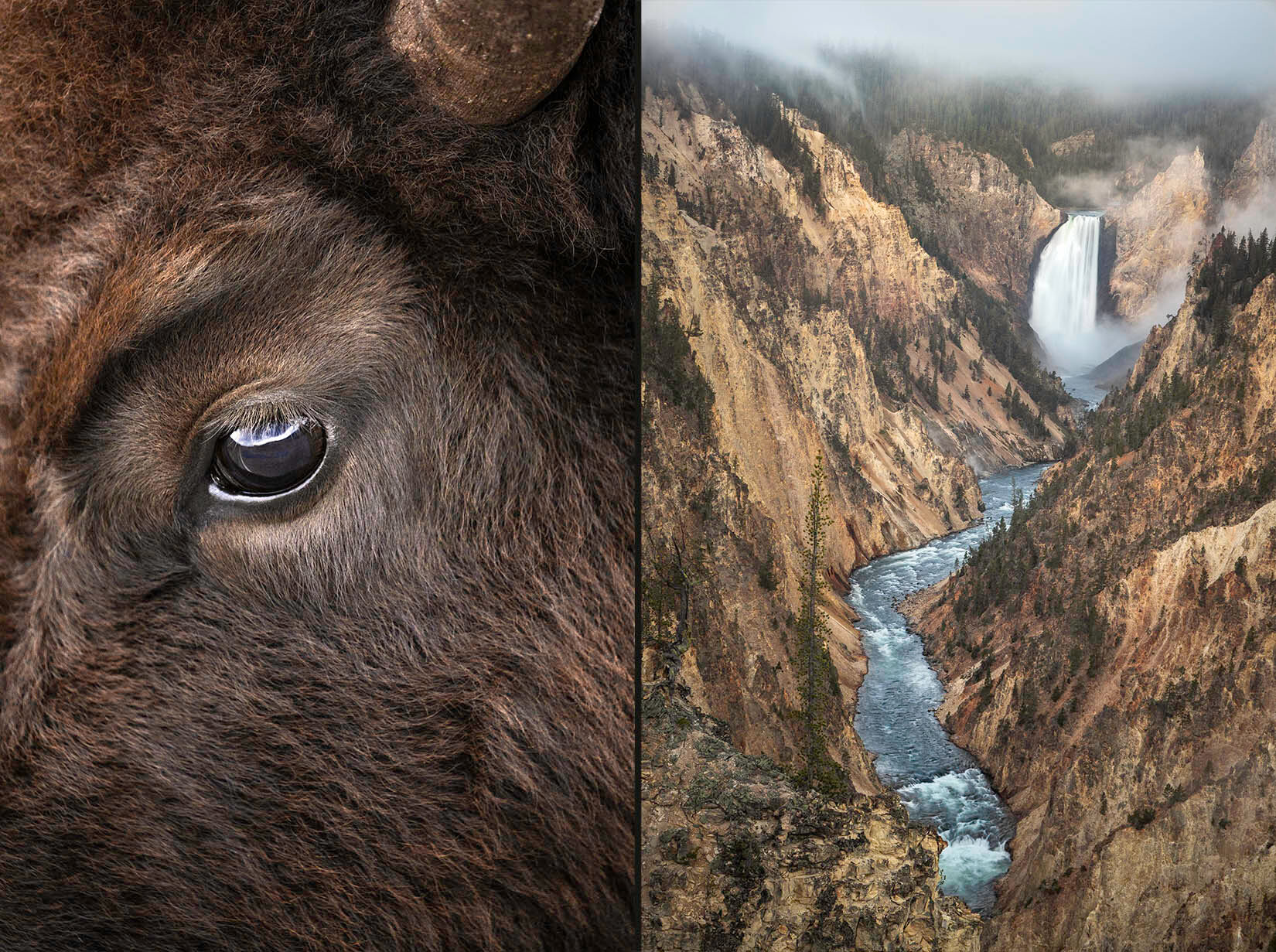
Yellowstone was the first national park in the world and there's no other place on earth like it. With a plethora of wildlife, Yellowstone offers something for every wildlife photographer.
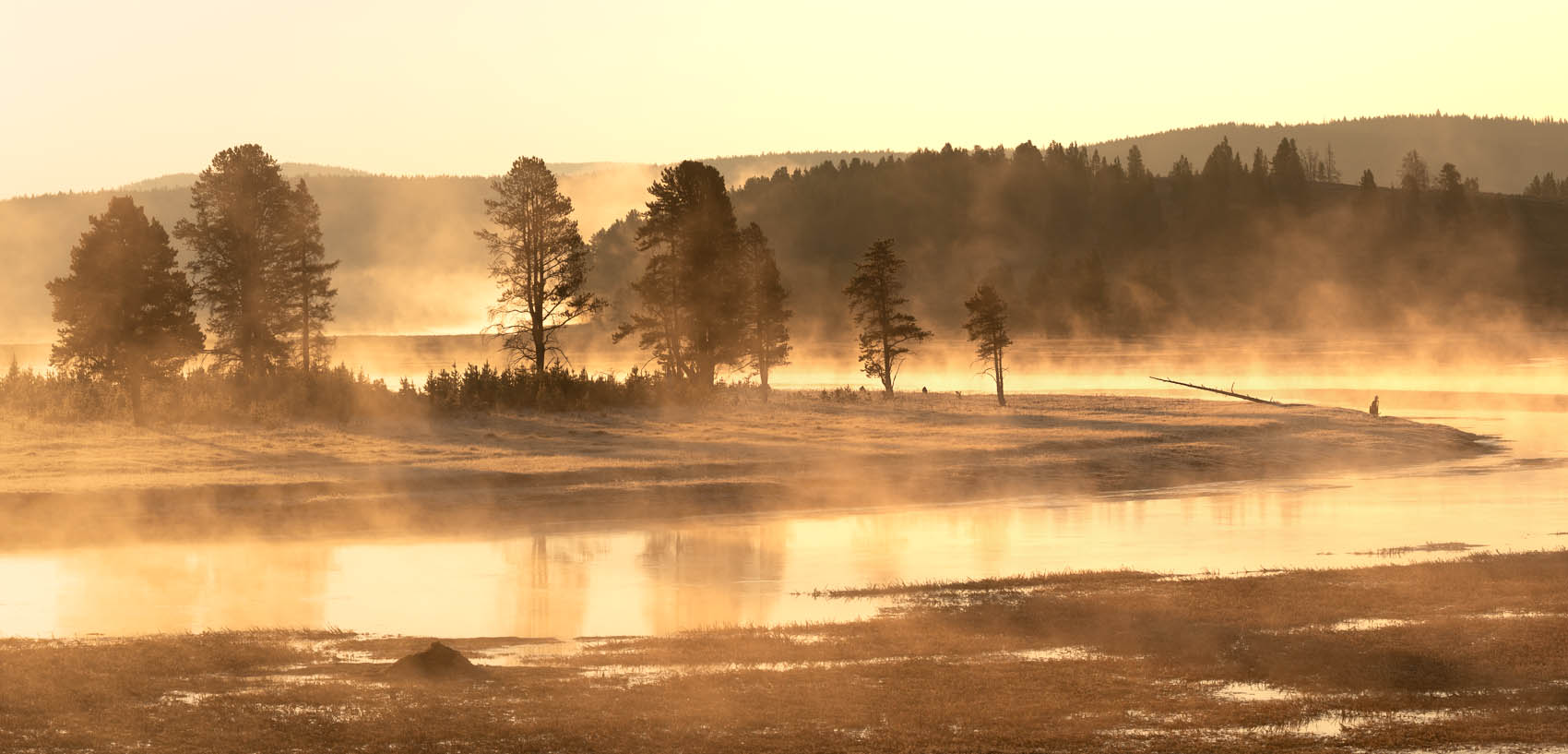
During the course of the workshop we'll focus our time photographing Yellowstone's unique wildlife. While the main focus of the trip is wildlife, we may stop for unique landscape shots if the conditions arise. We will not be visiting the major tourist destination for landscape photography though. If you'd like to see Old Faithful it is recommened that you come a day early or stay a day late.
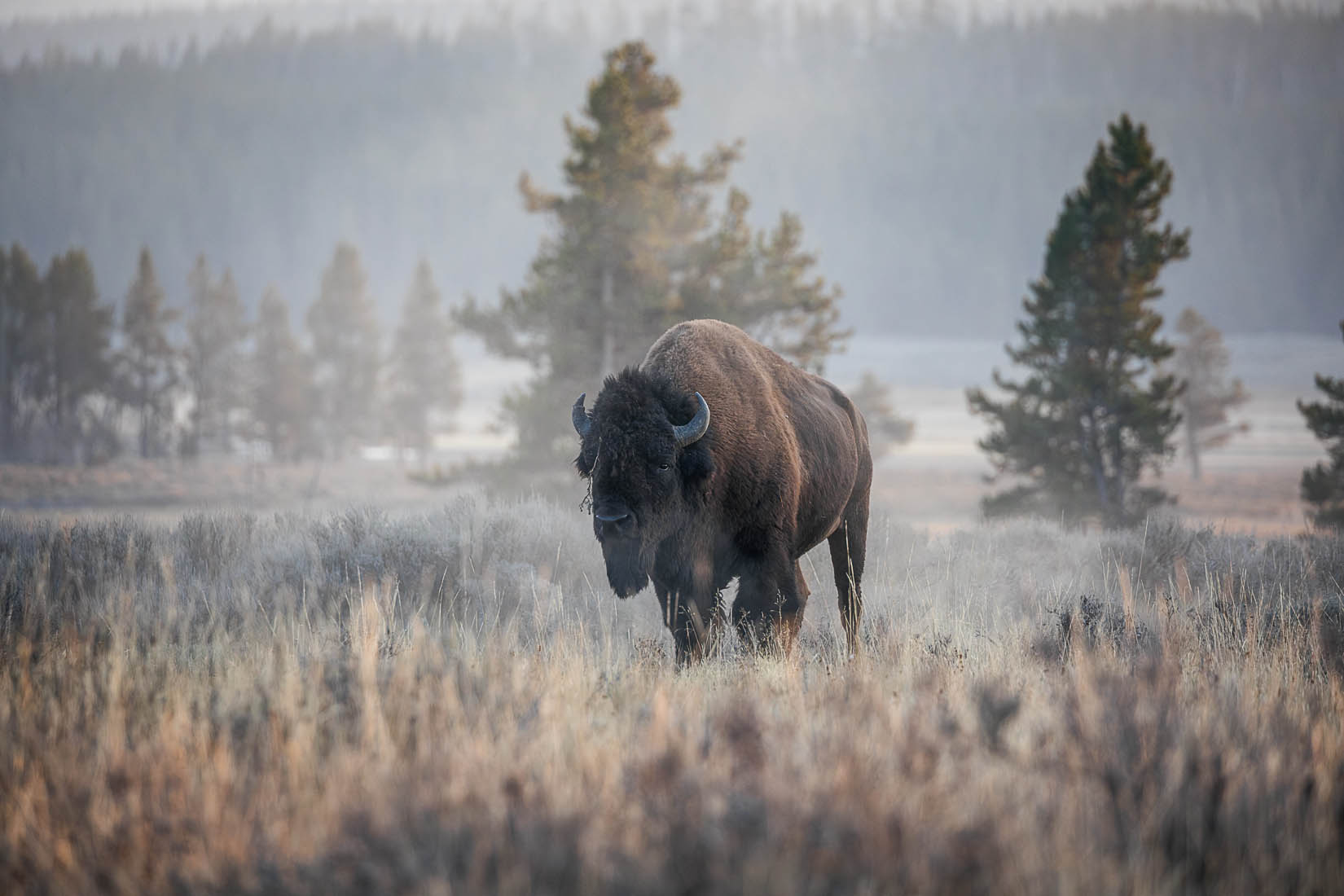
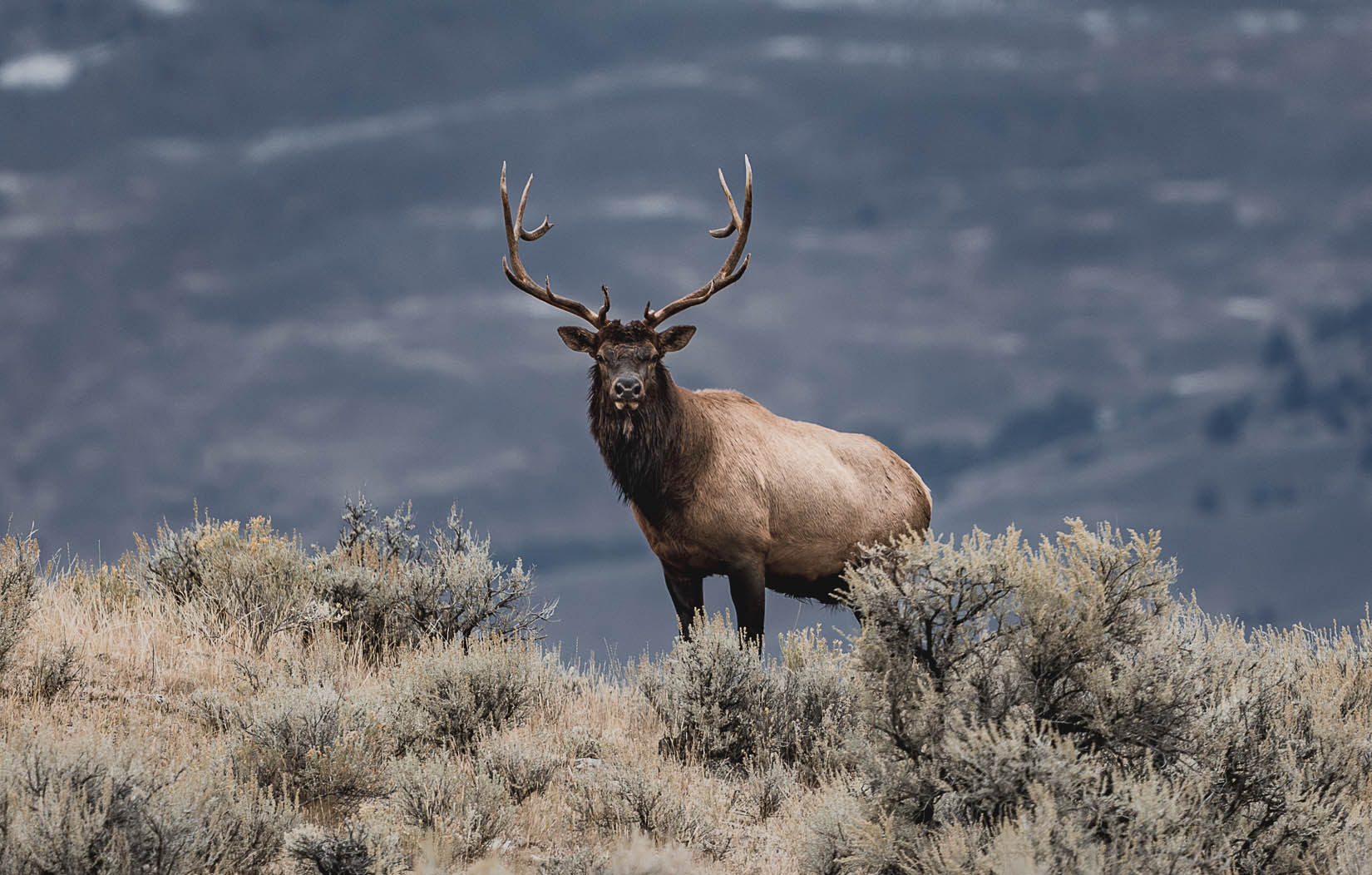
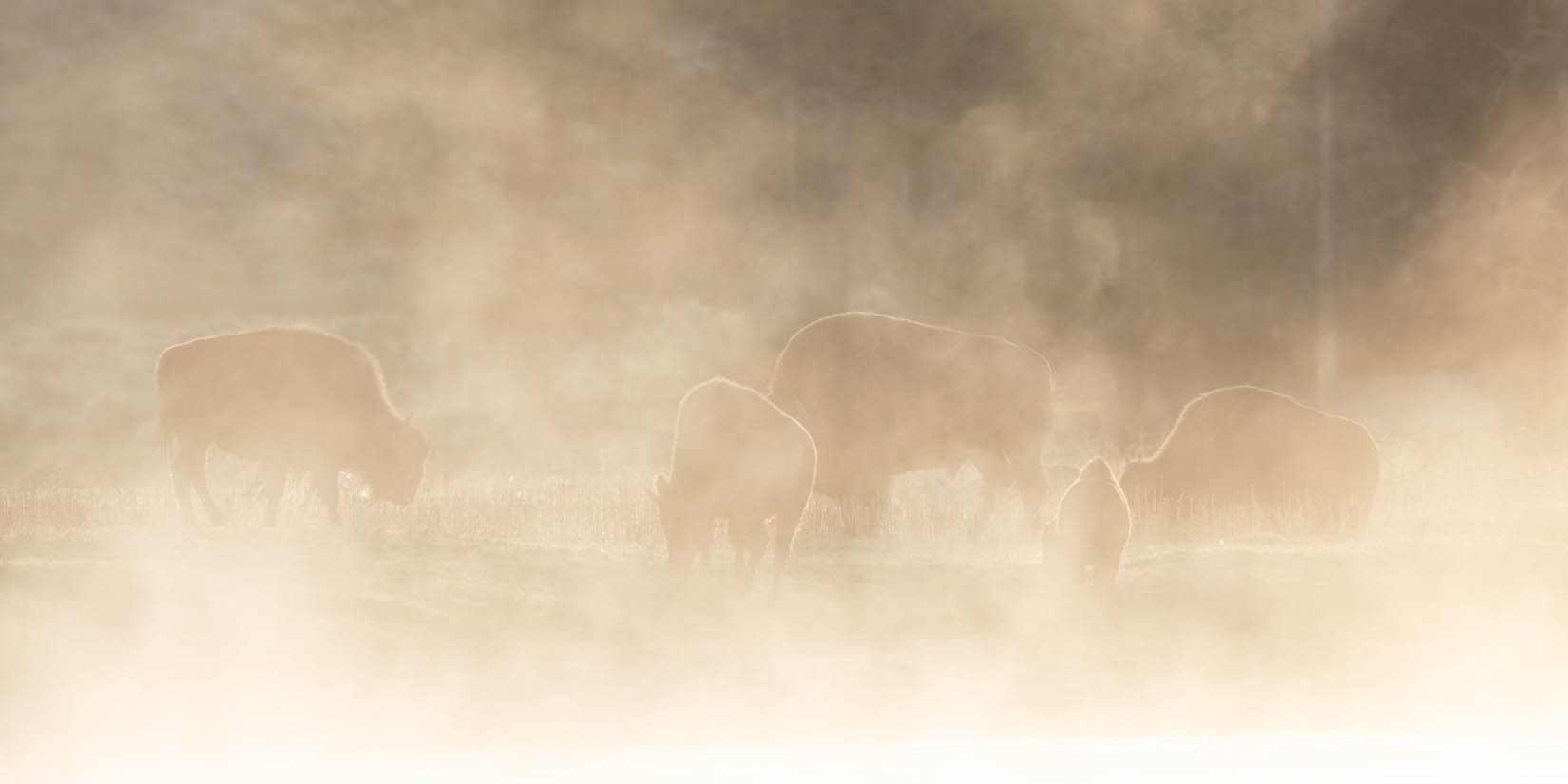
Fall is one of the best times to visit Yellowstone because the crowds of summer have thinned out and rut season (mating season) is underway. The rut is the best time to see Yellowstone's animals in their prime. You'll hear the bugling of bull elk as display their dominance amongst one another. By September their antlers have reached their peak, making for incredible photo opportunities. The fall season is also the only time of year where bull bison join the massive herds of cows and calfs.
Yellowstone is one the best places in North America to photograph wildlife. As we drive though the park, we'll search for wolves, bears, foxes, coyotes, bison, elk, moose, deer, otters, eagles, big horn sheep, pronghorn and more.

PAIR THIS WORKSHOP WITH A FALL GRAND TETON WORKSHOP
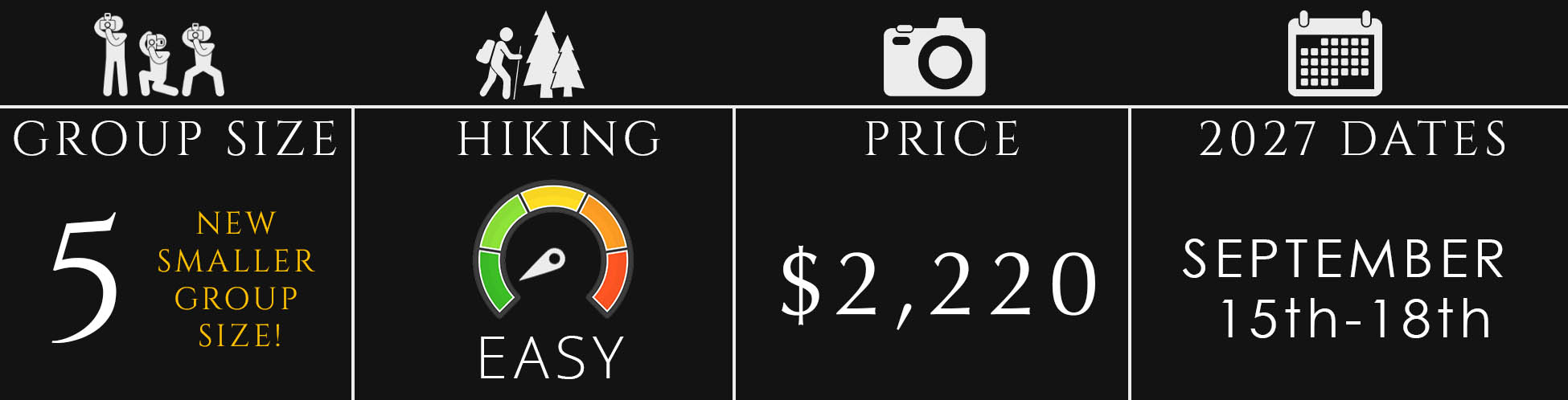
If you'd like to get the most out your photography trip you can pair this workshop with the Grand Teton Workshop that is scheduled directly after the Fall Yellowstone workshop. (September 19th - 23rd)
LODGING
The Fall Yellowstone Workshop will base out of The Antler Lodge in Gardiner Montana. Participants are welcome to use other lodging or camping accommodations but the Antler Lodge will be our centralized meeting point.

WHATS INCLUDED
● Professional photography instructor
● Park Permits
● Post Processing Session
● SUV Transportation
WHAT’S NOT INCLUDED
● Lodging
● Airfare
● Meals
ITINERARY
• Day 1: 7:00pm Orientation
• Days 2 through 4: We'll have morning and evening shoots with mid-day breaks everyday of the workshop. Our subjects and exact itinerary will be determined by weather and wildlife activity. It may sound obvious, but rest assured, finding good photo opportunities is the number one priority of this workshop.
WEATHER
The weather in Yellowstone is very unpredictable in September. It could be warm and sunny or snowing. It's a good idea to be prepared for all kinds of weather including sun, rain and snow. Typically the mornings are cold with lows in the 30's or 40's. Average daytime highs can reach into the mid 50's to low 70's if the weather is clear. Fall storms could bring dramatically colder temperatures.
RECOMMENDED CLOTHING AND GEAR
CLICK HERE TO VIEW THE RECOMMENDED GEAR AND CLOTHING LIST
PRICE
$2,220
CANCELATION POLICY
Sometimes life can get in the way of a good a thing. Hopefully that doesn’t happen during this workshop, but if it does the following cancelation policy applies.
• Cancel more than 120 days before the workshop start: Full refund minus $200 cancellation fee.
• Cancel 0 - 120 days before trip – no refund unless your spot is filled or the workshop gets canceled.
Should you have to cancel after the cancelation deadline and I can find a replacement for your space at full price, I’ll refund your full payment minus a $200 cancelation fee.
“Cancel for any reason” travel insurance is strongly encouraged.
FREQUENTLY ASKED QUESTIONS
• What is the closest airport to Gardiner Montana? The Bozeman airport (BZN) is the closest airport to Gardiner Montana where the workshop will base out of.
• Do I need a large prime lens for shooting wildlife? A prime lens is not required for this workshop. In fact, most participants bring zoom lenses. You're more than welcome to bring a prime lens if you'd like to squeeze out every last bit of light.
• Do I need a tripod for this workshop? You'll get the most out the trip if you bring a tripod. We'll be shooting some landscapes and a tripod will help you get the best shots.
• What is the ratio of of landscape & wildlife photography? We'll focus on a combination of landscape and wildlife photography on this workshop. The mail focus of the workshop will be wildlife photography, but Yellowstone is beautiful so we'll spend some time photographing Yellowstone Falls and the geothermal areas.
Recommended Gear
CLICK HERE FOR A COMPLETE LIST OF RECOMMENDED CAMERA GEAR AND CLOTHING FOR YELLOWSTONE IN THE AUTUMN