The Best National Parks For Photography In The US
The best national parks for photography in the US
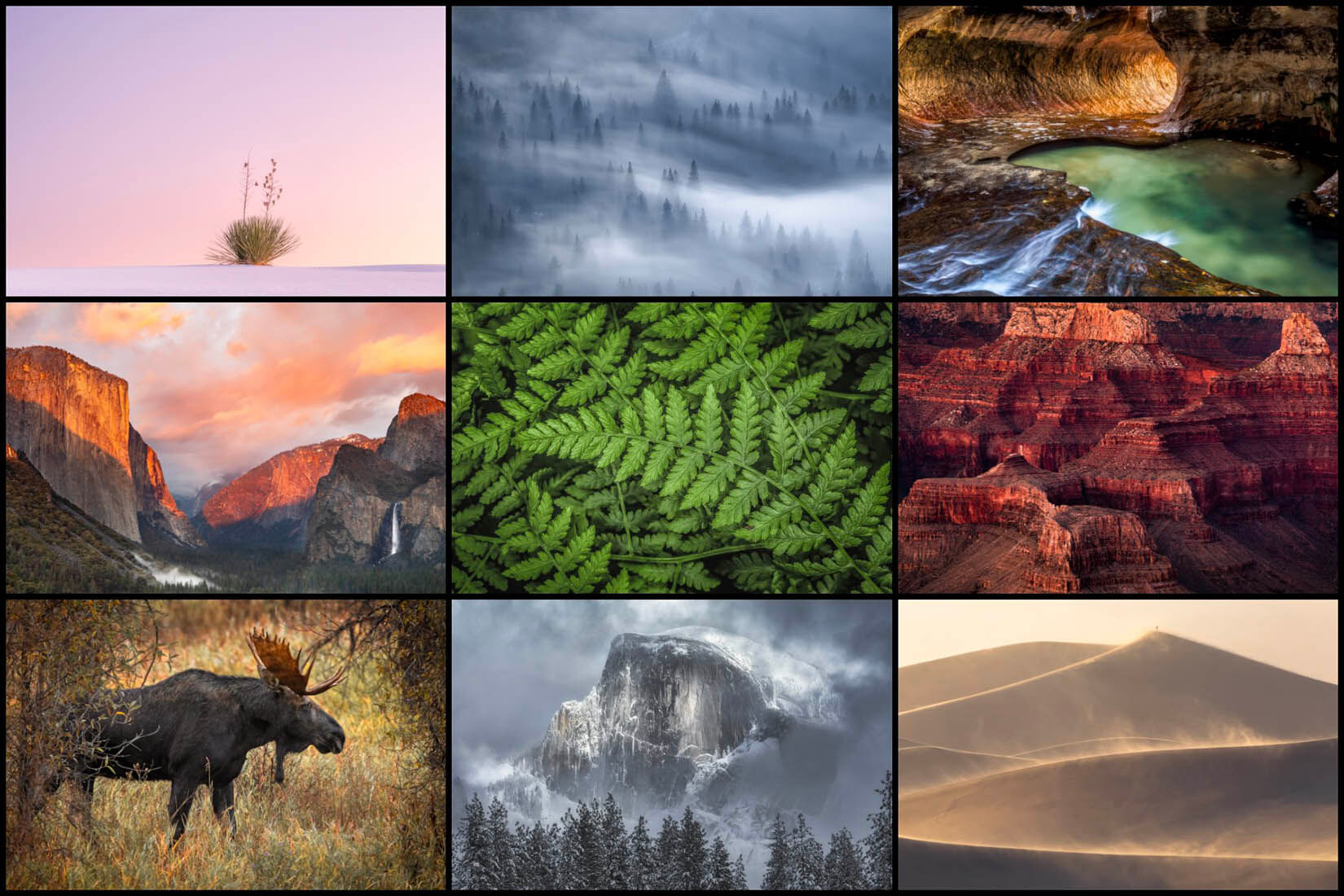
National parks are not just havens for wildlife and natural beauty; they are sanctuaries for the human spirit and inspiration for photographers. These parks offer a diverse palette of landscapes, from towering mountains and erupting geysers to deep canyons and sprawling deserts, each with its own unique beauty and challenges for photographers. The story of landscape photography is deeply intertwined with these parks, with iconic figures such as Ansel Adams and Galen Rowell finding inspiration and solace within their boundaries. This article delves into the best national parks for photography in the US while examining their visual splendor and geology. From the granite cathedrals of Yosemite to the surreal landscapes of White Sands, we will explore what makes each park unique and how to capture their essence when visiting them.
Yosemite National Park

Yosemite National Park is one of the most photogenic landscapes in the world.
Yosemite National Park, with its grand waterfalls, ancient sequoias, and vast wilderness, has been a source of inspiration for photographers for well over a century. The park's geology, shaped by glacial activity, has created a landscape that is both majestic and intimate. Granite monoliths like El Capitan and Half Dome tower above the valley floor to create awe inspiring vistas. Photographing Yosemite requires an understanding of light and shadow. The Valley runs east and west and often creates tough lighting conditions. The Merced River offers a dynamic foreground and can be photographed from a wide variety of angles. Spring offers massive waterfalls while autumn often brings a warm palette of color to the trees. These two seasons are the most comfortable times to photograph the park but every season offers something special in Yosemite. Ansel Adams, a pioneer in landscape photography, captured the essence of Yosemite with his striking black and white images, setting a standard for capturing the profound beauty and scale of the park. His work in Yosemite not only documented its beauty but also played a crucial role in the conservation of public lands.
Death Valley National Park

Death Valley National Park transforms with the light
Death Valley National Park is the hottest place on earth. The park provides a landscape that is as beautiful as it is harsh. Death Valley's desolate flat lands against its towering mountains create a surreal landscape that challenges the perception of beauty. The Racetrack Playa, with its mysterious moving rocks, and the vibrant hues of Artist's Palette, showcase the park's geological diversity. Photography in Death Valley is about capturing contrast and color, especially during the golden hours when the landscape transforms with long shadows and warm tones. Night photography is also particularly rewarding in Death Valley. The park often has clear skies that make for ideal astrophotography conditions. The park's extreme temperatures require photographers to be well-prepared, with visits during the cooler months of late fall to early spring being most conducive to photography. Death Valley's stark beauty and extreme conditions offer a testament to the planet's geological history, making it a compelling subject for photographers seeking to capture the beauty of the desolate and sublime.
Mount Rainier National Park

Mount Rainier National Park, dominated by the iconic Mount Rainier, presents a diverse ecosystem ranging from subalpine wildflower meadows to ancient forests. The mountain itself is an active stratovolcano and a compelling subject. It's glaciers reflect the changing light of early dawn and dusk and further complement the mountain. Photographing the Mount Rainer requires patience, as weather conditions can change rapidly, often obscuring the peak in clouds. The park's wildflower season, typically runs between late July through August and offers a colorful tapestry that contrasts beautifully with the snow-capped mountain. Reflection Lakes and Tipsoo Lake provide serene settings for capturing reflections of the park's namesake. The volcano's history has been marked by eruptions and glacial movements that tell a story of creation and change. Photographers can explore the park's trails to find unique vantage points, with the changing seasons offering new perspectives on the mountain's enduring beauty.
Grand Teton National Park

Grand Teton National Park is an excellent choice for epic landscape photography couple with incredible wildlife photography
Grand Teton National Park has dramatic peaks, pristine lakes, and incredible wildlife opportunities. The Teton Range, with its craggy peaks, provides a stunning backdrop to the surrounding landscape no mater where you are in the park. Oxbow Bend is a crowd favorite for Sunrise. The historic Moulton barns of Mormon Row offer a glimpse into the human history of the landscape and are among the most photographed barns in America. These barns symbolize the rugged beauty and pioneering spirit of the West.
Photographing Grand Teton is almost a holy experience. Sunrise highlights the mountains while the blue hour offers a serene palette of cool hues. Wildlife photography is a significant draw for the park, with opportunities to capture bison, moose, elk, bears and more. The early morning and late evening is when animals are the most active so make sure you set your alarm and get out early. In the autumn aspens turn a vivid yellow which provides stunning contrast against the mountain backdrop. Grand Teton National Park combination of natural beauty and abundant wildlife invites photographers to capture the essence of the American West.
Yellowstone National Park

Yellowstone National Park in winter is one of the most beautiful time to experience and photograph the park
Yellowstone was the first national park in the world and remains a wonderland for photographers today. Its vast landscapes encompass everything from rolling valleys to rugged mountains. With over 10,000 geothermal features, there's nowhere on earth quite like Yellowstone. The vivid colors of Grand Prismatic Spring are enough to wow any photographer no matter how much of the world they've seen. The Grand Canyon of the Yellowstone and Yellowstone Falls provide spectacular subjects for landscape photographers to point their cameras at as well.
In addition to its landscapes, Yellowstone is also one of the best places in the country for wildlife photography. Photographers have a very good chances of seeing bison, elk, coyotes and bears. If you're particularly lucky, you might even see a moose or pack of wolves. The key to photographing Yellowstone is patience and timing. Animals do not always do what you want them to so it is best if you have a few days to spend looking for wildlife. Early mornings and late evenings offer the best conditions for both landscapes and wildlife. The summer is beautiful but be prepared for crowds if you visit in the peak season.
Redwoods National Park

Redwood National Park protects some of the largest trees on the planet. This park offers photographers the chance to capture the awe-inspiring scale and ancient beauty of these giants. The dense canopies and fern-lined floors create a verdant world bathed in soft, diffused light, ideal for capturing the ethereal quality of the forest. The "Tall Trees Grove" and "Lady Bird Johnson Grove" are among the best spots for photography, offering accessible trails that meander through impressive stands of old-growth redwoods.
Photographing in the redwoods often requires adjusting your camera settings to cope with low light conditions and usually necessitates the use of a tripod. The challenge lies in conveying the sheer size of the trees while also capturing the intricate details and textures of their bark and the forest floor. The coastal fog that frequently envelops the forest can add a mystical element to photographs, creating soft, dreamlike images that capture the imagination. Additionally, the parks’ proximity to the Pacific coast offers the chance to juxtapose the towering redwoods with rugged coastal landscapes, providing a diverse photographic experience. Redwoods National Park serves a reminder of the ancient old growth forests that once covered much of the earth.
Zion National Park

Zion National Park is a photographer’s dream, with its towering cliffs of Navajo sandstone, deep canyons, and verdant valleys. All of which were carved by the Virgin River. The park’s diverse landscapes range from arid desert-like to lush riverside habitats along the Narrows. Iconic spots like the Watchman and the Court of the Patriarchs provide stunning subjects for photography, especially when the sun paints the sandstone cliffs in vibrant hues of orange and red on the edge of day.
Hiking in Zion offers a wide variety of unique vantage points to capture the park’s grandeur. The key to photographing Zion lies in understanding the interplay of light and shadow within the canyons, which can dramatically alter the landscape's appearance and mood throughout the day. Autumn brings a splash of color to the valley when cottonwoods turn gold against the red sandstone cliffs. Spring rains bring waterfalls and wildflowers, adding to the park’s photographic allure. Zion’s majestic landscapes offer endless opportunities for creative expression.
White Sands National Park

Located in southern New Mexico, White Sands National Park is home to the world's largest gypsum dune field. The dunes are both beautiful and surreal. The rolling white dunes stretch as far as the eye can see reminding visitors of snow. White Sands is easily one of the most unique places that you’ll ever photograph. The dunes' soft curves and the stark contrast create a minimalist aesthetic that appeals to photographers seeking a blend of abstraction and natural beauty.
Meaningful photography in White Sands is often about simplifying the scene. As with most landscapes, the best light often occurs at sunrise and sunset when the sun creates soft, warm light. Night photography is also worth exploring when photographing the park, but a special permit will need to be obtained before your visit in order to do so as the gate closes just after sunset.
The challenge of photographing White Sands lies in its simplicity; composing shots that capture the dunes’ subtle textures and forms requires a keen eye for detail and composition. The park’s ever-changing landscape is shaped by wind and weather. Every visit offers a new perspective.
Rocky Mountain National Park
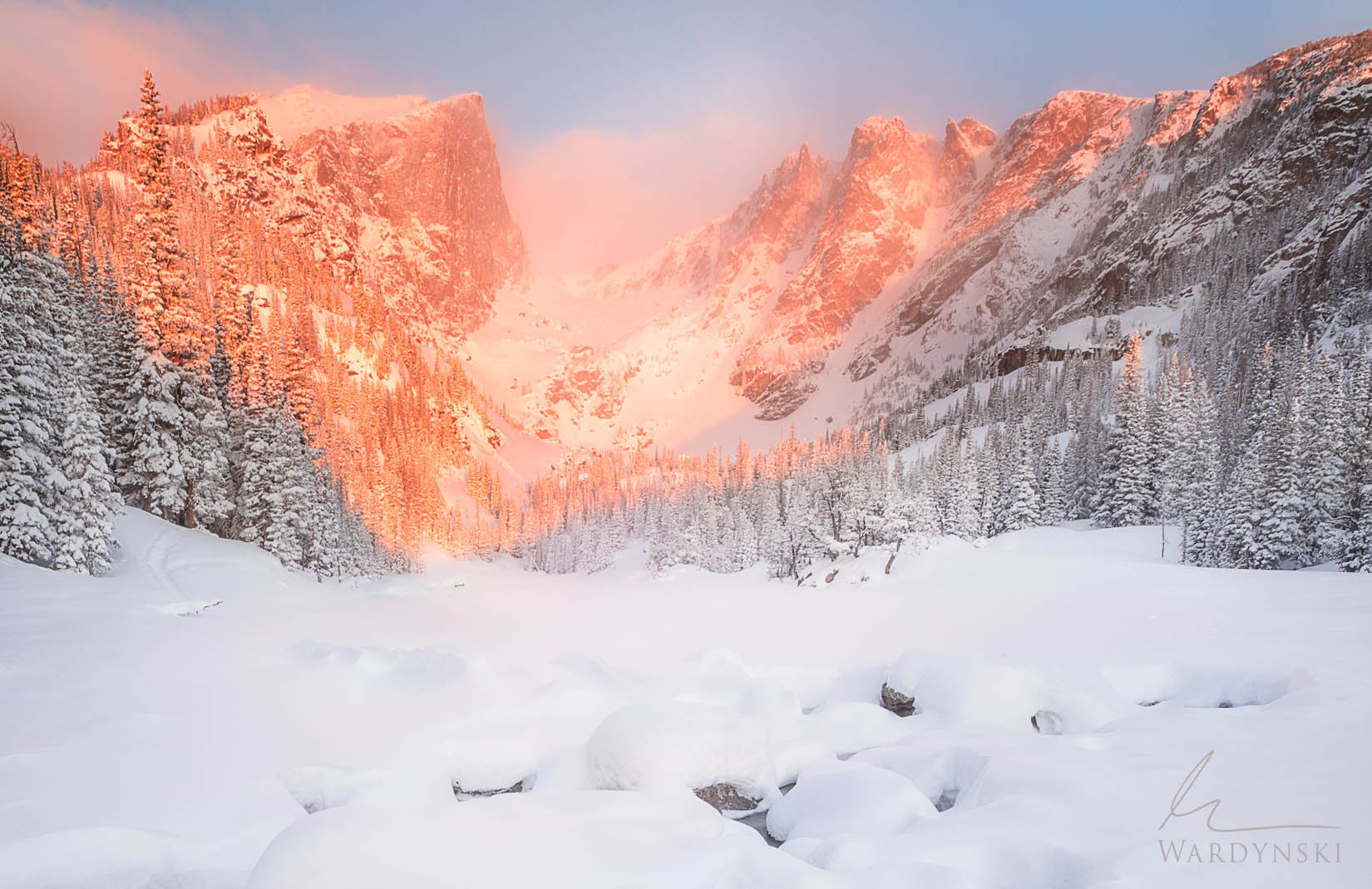
Rocky Mountain National Park is extremely photogenic in the winter
Rocky Mountain National Park has it all. Towering peaks, alpine lakes, and meadows of wildflowers. The park offers a diverse array of landscapes to photograph, from the dramatic landscapes at Trail Ridge Road to the reflective waters of Dream Lake. The changing seasons add to the park’s photographic appeal as well, with the spring wildflowers, summer thunderstorms, autumn aspens, and winter snow providing an ever changing backdrop.
Photographers can capture the majesty of the Rockies by exploring the park’s extensive trail system, which offers access to remote wilderness areas and stunning panoramic views. Wildlife photography is also a highlight, with opportunities to photograph elk, bighorn sheep, and other mountain fauna. The fall rut is a particularly good time to photograph elk in Rocky Mountain National Park.
Arches National Park

Located in eastern Utah, Arches National Park is a red-rock wonderland that offers over 2,000 natural stone arches, spires, hoodoos, and balanced rocks. This incredible park is certainly one of the most unique landscape photography destinations in the U.S. The park’s most iconic feature, Delicate Arch, stands alone against a backdrop of the Lasal mountains, offering one of the most quintessential images of the American Southwest. The play of light on the red rock formations casts a warm glow that accentuates their shapes and textures, providing endless opportunities for dynamic compositions.
Photographers visiting Arches can explore the Windows Section for easily accessible arches or venture into the Devil's Garden for a more secluded experience. The park's distinct geological features offer a lesson in patience and timing; capturing the perfect shot often requires waiting for the right light or weather conditions. Night photography is particularly spectacular in Arches. The park has minimal light pollution allowing for a star-studded backdrop for the ancient sandstone formations. The park’s landscape is a testament to the power of natural forces over millions of years and will certainly get your imagination going.
Conclusion
Each national park offers unique landscapes and unique challenges. From the granite cliffs of Yosemite to the surreal dunes of White Sands. The key to capturing the beauty of these locations lies in understanding light, being prepared for a verity of conditions, and doing your due diligence in scouting and planning. Whether you're a seasoned photographer or just starting out, these parks provide endless inspiration and opportunities to improve your craft. So grab your camera, and embark on a journey to explore the natural wonders of America's national parks.
Thanks for reading. My name is Mike Wardynski, I specialize in high quality photography workshops throughout the U.S. and beyond. I offer photo tours in public and private settings and would love to work with you regardless of where you are in your photographic journey. My workshops offer friendly and knowledgeable instruction that makes learning both enjoyable and enriching. I take great pride in my 100% positive reviews on Google, a testament to the quality and dedication that I bring to each session.
If you're ready to take your photography to the next level while exploring breathtaking landscapes, then I warmly invite you to sign up for one of my destination photography workshops. Visit the Workshops page to find out about upcoming offerings and secure your spot. Let's embark on this journey of discovery and creativity together. Your next great shot awaits.

Mike Wardynski Photography Workshops